
Book Appointment Now
The historical evolution of gambling a journey through time and cultures
The historical evolution of gambling a journey through time and cultures
Origins of Gambling in Ancient Civilizations
The history of gambling can be traced back to ancient civilizations, where it held significant cultural and social importance. The earliest evidence of gambling dates back to around 3000 BC in ancient China, where tiles were found that suggest a rudimentary form of lottery. Similarly, in Babylon, around 2000 BC, the use of dice was prevalent, indicating that people engaged in games of chance for entertainment and monetary gain. These early forms of gambling were often intertwined with religious practices and communal activities, reflecting the societies’ values and beliefs. Today, more contemporary platforms, like Crazy Tower, offer new ways to engage with these age-old traditions.

In ancient Rome, gambling was considered a popular pastime among citizens, including soldiers. The Romans devised various forms of gambling, such as betting on gladiatorial games and horse races. They created intricate betting systems that allowed individuals to wager on outcomes of various events, demonstrating that gambling was not merely a game of chance but also a strategic endeavor. The legal framework surrounding gambling in Rome evolved, allowing certain forms of betting while prohibiting others, illustrating the complexity of gambling’s role in society.
Furthermore, ancient Egyptians also participated in gambling activities. Archaeological findings suggest that board games and dice were prevalent, with evidence of gambling rituals tied to their belief systems. This demonstrates that gambling has not only been a source of entertainment throughout history but also a means of social interaction and cultural expression. As civilizations advanced, so too did the sophistication of gambling, leading to its widespread acceptance and various forms across cultures.
The Spread of Gambling in Medieval Europe
During the Middle Ages, gambling became deeply rooted in European society, especially with the rise of card games. The introduction of playing cards from Asia transformed the gambling landscape, and games such as poker and blackjack emerged. With the establishment of gambling houses in cities, it became an organized form of entertainment. The popularity of these games often led to social gatherings, where individuals would engage in friendly competition, further embedding gambling in the cultural fabric of Europe.
As gambling flourished in medieval Europe, it faced various legal challenges. Different kingdoms instituted laws regulating gambling activities, highlighting the tension between state authority and individual freedom. In many regions, gambling was viewed with suspicion, often associated with moral decay and vice. However, despite these challenges, underground gambling venues thrived, showcasing the enduring appeal of games of chance to the populace.
Moreover, the Renaissance period heralded a significant shift in attitudes toward gambling. With a renewed interest in arts and sciences, gambling was viewed as a strategic pursuit rather than mere chance. The emergence of the lottery as a state-run initiative during this period exemplified the transformation of gambling from a fringe activity to a regulated aspect of society. This evolution set the stage for modern gambling practices that continue to thrive today.
Gambling in the Age of Enlightenment and Industrialization
The Age of Enlightenment brought about new philosophical ideas that influenced public attitudes toward gambling. As rationalism and individualism gained prominence, gambling was increasingly seen as a personal choice rather than a vice to be condemned. The establishment of more formalized gambling establishments, such as casinos, marked the beginning of a new era in the gambling industry. Cities like Monte Carlo became synonymous with luxury and opulence, drawing patrons from across the globe.
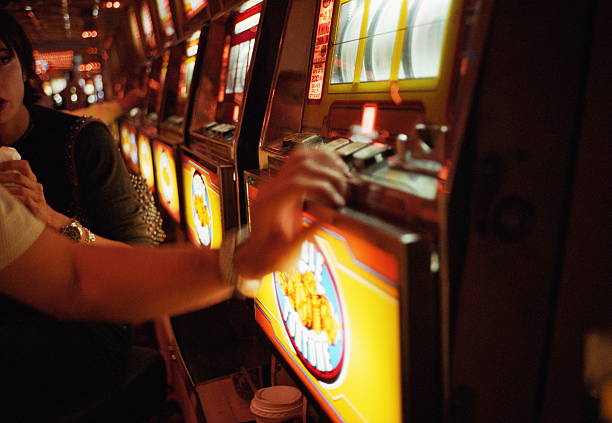
The Industrial Revolution further transformed gambling, as urbanization led to an increase in leisure time for the working class. This shift provided new opportunities for entertainment and betting, resulting in the proliferation of racetracks and sports betting. The introduction of mechanical devices, such as slot machines, marked a significant milestone, making gambling accessible to a broader audience. This democratization of gambling indicated that it was no longer an elite pastime but a widespread social activity.
However, this rapid expansion also sparked concerns about gambling addiction and its societal effects. Governments began to address these issues by implementing regulations and establishing responsible gambling initiatives. This ongoing dialogue between the excitement of gambling and the need for ethical considerations remains relevant as the industry continues to evolve. The intersection of culture, technology, and legislation shaped the gambling landscape in profound ways during this transformative period.
Modern Gambling and Its Cultural Implications
The late 20th and early 21st centuries witnessed a significant transformation in the gambling industry, primarily driven by advancements in technology. The advent of the internet revolutionized gambling, enabling online casinos and sports betting platforms to emerge. This digital shift expanded access to gambling opportunities, attracting a diverse range of players. The integration of technology facilitated innovations like live dealer games, mobile gaming apps, and virtual reality experiences, enhancing the overall gambling experience.
As online gambling grew, various legal and regulatory frameworks developed to govern this burgeoning industry. Different countries adopted distinct approaches, from outright bans to regulated markets, reflecting cultural attitudes towards gambling. In regions where gambling is embraced, it often serves as a significant economic driver, providing jobs and generating tax revenue. Conversely, where it is restricted, underground operations may flourish, highlighting the ongoing tension between regulation and personal freedom.
Furthermore, the cultural implications of modern gambling are profound. It has evolved into a global phenomenon, with events like the Super Bowl and World Series attracting millions of bets. Gambling has become intertwined with entertainment, sports, and social experiences, leading to a shift in perception from a taboo activity to a mainstream pursuit. However, this evolution also raises ethical questions about addiction, mental health, and responsible gambling, necessitating ongoing discussions about the balance between enjoyment and risk.
Your Safe Gambling Experience Online
In the contemporary landscape of gambling, safety and security are paramount for players seeking an enjoyable experience. Our website is designed to ensure a secure browsing environment, utilizing advanced security measures to protect users from potential threats. With the increase in online gambling, it is essential to engage with platforms that prioritize user safety and adhere to regulatory standards, ensuring a trustworthy gambling experience.
We aim to create a community that supports responsible gambling practices. Our resources and tools are developed to help users understand the risks associated with gambling and promote healthy gaming habits. Whether you are a seasoned player or new to the world of online gambling, our commitment is to provide a reliable platform where you can explore various games without compromising safety.
As the industry evolves, we continue to adapt our services to meet user needs and ensure compliance with regulatory frameworks. Your experience on our platform is designed to be secure, enjoyable, and informative, allowing you to engage with the world of gambling responsibly. We believe in fostering a culture of safety and awareness, ensuring that everyone can enjoy the exciting journey through time and cultures that gambling offers.